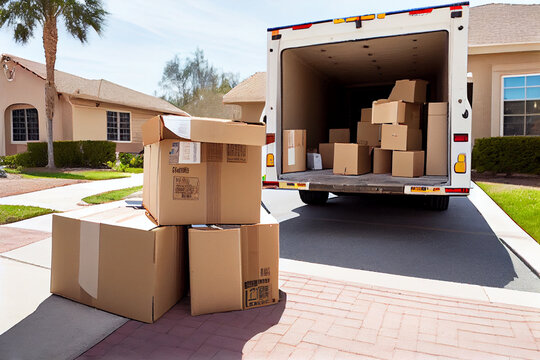
Relocation is often imagined as a single important day when belongings are transported from one place to another. In reality, the moving day is only one stage of a much longer transition. What happens during the first week after the move can influence how comfortable and organized the new environment will become.
Many people focus heavily on packing and transportation, but very little attention is given to planning what happens after the move is completed. Without preparation, the first days in a new home can feel confusing and disorganized. By thinking ahead and preparing for this adjustment period, individuals and families can make the transition significantly smoother.
Preparing for the Adjustment Period
The first few days after relocation often involve unpacking, setting up essential spaces, and adapting to a new routine. If these tasks are approached without structure, they can easily become overwhelming.
One effective strategy is creating a simple post-move plan before the relocation takes place. This plan might include identifying which rooms should be organized first, where important items will be stored, and how daily routines will continue during the transition.
Many relocation specialists recommend reviewing professional moving preparation tips when planning both the move and the days that follow. These resources help individuals understand how to organize relocation tasks efficiently and avoid unnecessary stress.
You can explore additional relocation guidance here: https://www.moving.com/tips/
Understanding how experienced movers approach relocation planning can provide valuable insights for individuals preparing for their own move.
Prioritizing Essential Spaces
After arriving at a new home, it is tempting to begin unpacking everything at once. However, a more efficient approach involves prioritizing essential areas first.
Bedrooms, bathrooms, and kitchens are usually the most important spaces to organize during the first day or two. These areas support daily routines and help individuals feel comfortable in their new environment more quickly.
By focusing on these essential rooms first, the rest of the unpacking process becomes far less stressful.
Using Organized Unpacking Strategies
Just as packing benefits from organization, unpacking should follow a structured approach as well. Boxes that were labeled clearly during the packing stage make this process significantly easier.
Items belonging to the same room should be unpacked together to avoid unnecessary movement around the house. This method helps maintain organization and prevents items from being misplaced.
Many relocation experts recommend following a structured packing and moving checklist when unpacking as well. Checklists help ensure that important steps are completed and that belongings are placed in their proper locations.
A useful checklist can be found here: https://www.consumerreports.org/moving/how-to-pack-for-a-move/
Following a checklist keeps the process organized and prevents tasks from being forgotten during the busy first days after relocation.
Rebuilding Daily Routines
Another important part of the first week after moving involves reestablishing daily routines. Simple activities such as preparing meals, organizing workspaces, and arranging furniture can help create a sense of normalcy in the new environment.
Maintaining familiar routines reduces the stress associated with relocation and helps individuals adapt more quickly to their new surroundings.
Families with children often benefit from recreating familiar spaces as soon as possible. Setting up bedrooms, study areas, and play spaces helps younger family members feel more comfortable during the transition.
Coordinating Remaining Tasks
Although the moving truck may have already departed, several tasks usually remain after the move is completed. These may include assembling furniture, organizing storage areas, and updating important documents with the new address.
Completing these tasks gradually over several days helps maintain organization without overwhelming the household.
Working with experienced relocation professionals can also simplify the process. Reliable moving teams such as MoveMates LLC assist with transportation logistics and help ensure that belongings arrive safely at the new location.
You can learn more about their relocation services here: https://themovingmates.com
Professional support often allows individuals to focus on settling into their new environment rather than worrying about logistical challenges.

Organizing Storage and Layout
Once essential rooms have been arranged, attention can shift toward organizing storage areas. Closets, cabinets, and shelves should be arranged thoughtfully so that frequently used items remain easily accessible.
Planning storage layouts early helps prevent clutter and keeps the home organized from the beginning.
This stage also provides an opportunity to adjust furniture placement and experiment with different room layouts until the new environment feels comfortable.
Taking Time to Adapt
Relocation represents more than a physical change of location. It often marks the beginning of a new chapter in life, whether the move is related to career opportunities, family needs, or lifestyle changes.
Allowing time to adapt emotionally to the new environment is just as important as organizing physical belongings.
Exploring the surrounding neighborhood, meeting neighbors, and gradually becoming familiar with the new community can help individuals feel more connected to their new home.
Creating a Comfortable Living Space
The final stage of relocation involves transforming the new location into a comfortable living space. Decorating rooms, arranging personal belongings, and adding familiar items help create a sense of home.
Taking small steps each day allows the environment to evolve naturally without feeling rushed.
With thoughtful planning and organized preparation, the first week after relocation can become an enjoyable experience rather than a stressful adjustment period.
By focusing on essential tasks, maintaining structure during unpacking, and seeking professional support when needed, individuals and families can settle into their new homes with confidence.